
Kamino Finance Airdrop Strategy: Looping SOL LSTs for Double-Digit Yield

Before we get started, this is not a recommendation or endorsement to buy any token(s) mentioned.
On November 27th, Jito announced a massive retroactive airdrop for early protocol participants who earned Jito Points since the start of 2023.
Thanks to these newer hyped protocols, Solana is experiencing a surge in interest among DeFi investors while protocols that have yet to tokenize tease us with the incentive of earning a future token for depositing liquidity.
As a veteran DeFi user and airdrop farmer, we know that the best opportunities are when we can earn with assets we already hold such as SOL, stablecoins, or liquid staking derivatives like mSOL.
One up-and-coming DeFi protocol supporting such assets that has yet to release a native token is Kamino Finance. Launched in fall 2022, Kamino Finance offers a suite of products including lending and borrowing markets (Kamino Lend), one-click looping strategies (Multiply), one-click leverage strategies (Long/Short), and automated liquidity vaults for optimizing concentrated liquidity provisions (Liquidity).
For this tutorial, we will simply focus on the Automated Liquidity Vaults (one-click looping strategies) available for Kamino Lend markets.
Kamino looks similar to a DeFi money market like Aave where we have lenders and borrowers interacting based on a set of parameters for borrowers to overcollateralize with assets such as SOL, JitoSOL, mSOL, and interestingly enough, concentrated LPs.
Kamino Lend features a single liquidity market, rather than a multi-pool design, including an eMode (Elevation Mode) mechanism that enables higher leverage when lending/borrowing solely within a certain asset grouping (ie mSOL/SOL or JitoSOL/SOL).
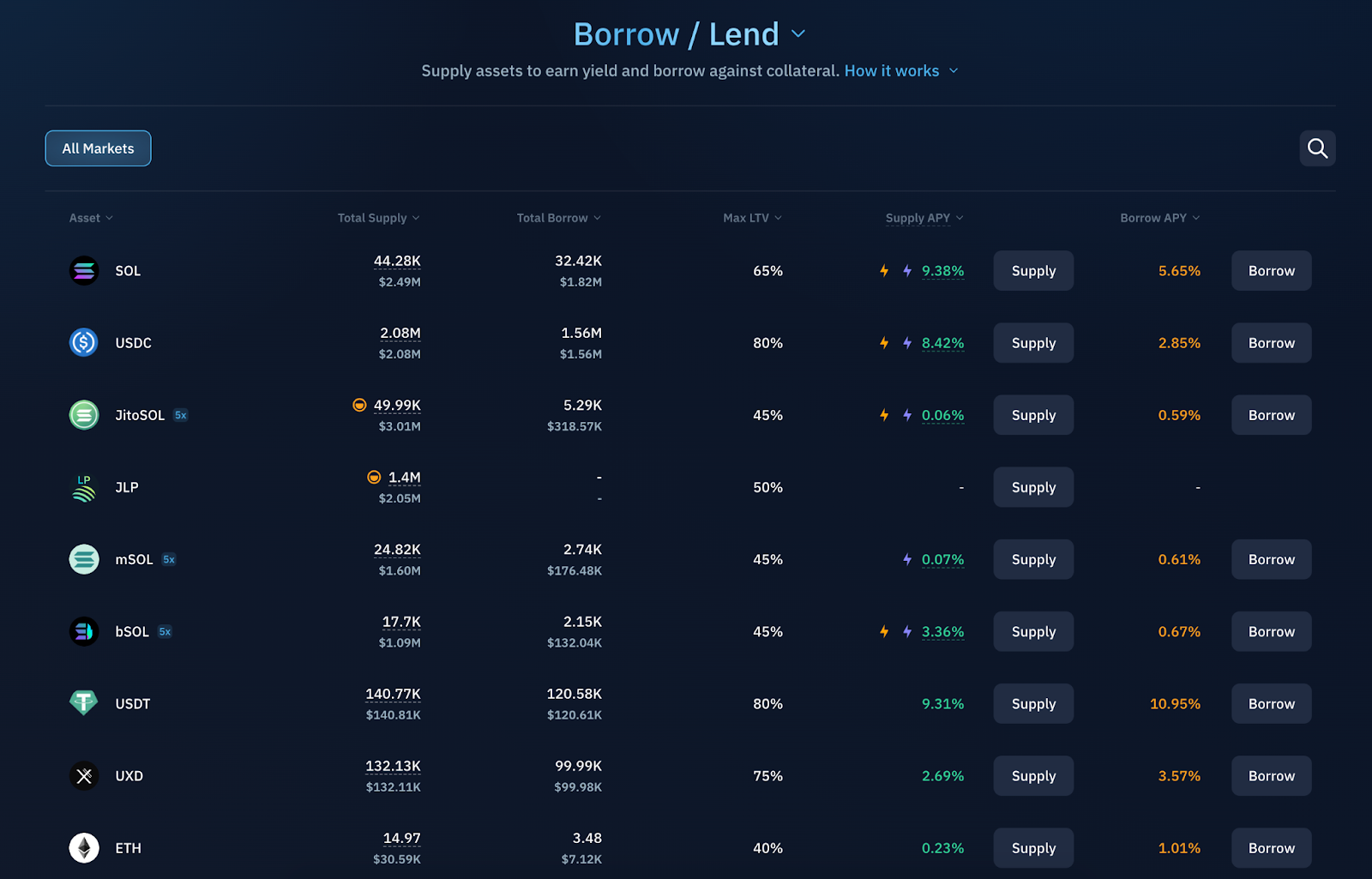
Elevation Mode (first





I got a ¨unrecognizable token¨ in my solana wallet after I deposited on Kamino, what is this? Is this something to be worried about?
https://solscan.io/account/E77ZpY62PW1aoo7qSnN4AS4kaNuHzwy288ZisuHmCfKD
https://solscan.io/account/DyFxabH3y8WQCmMKsMMDCi4kLfpxVwCvQ2jiZSUCdtxx#splTransfers
https://solscan.io/tx/47PQJR8CGCqQ3rNh3cknw9oWREZsYZk4ELFuiwcBuox7fYd9ETc1u8BVag6T6ZSXfod93k2964MEWQjonfetbuzf
You don’t need to worry about it, but just don’t interact with it. Sadly your wallet will get flooded over time with spam scam tokens. Just ignore them.